Insights · Commissioning
Commissioning HSE: Managing Live Interfaces
Commissioning safety depends on control of plant status, changing energy sources and clear ownership at every interface.
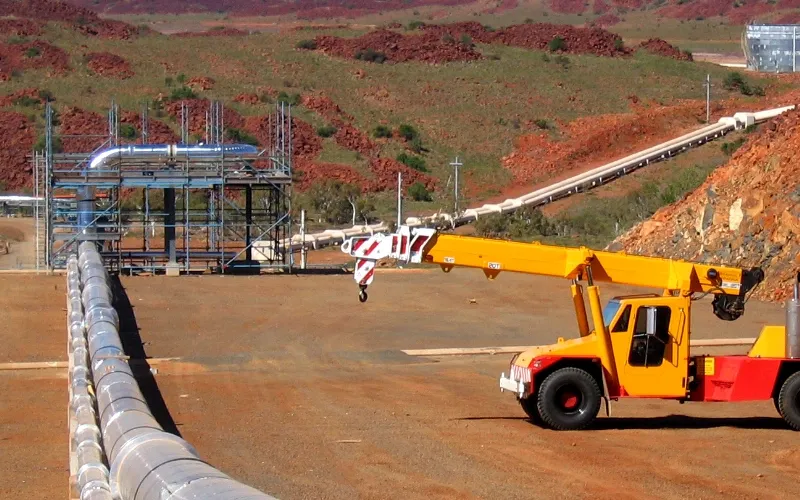
Commissioning is where construction becomes an operating asset. That transition creates a unique HSE challenge: plant status changes quickly, energy sources are introduced progressively and people with different assumptions work across the same boundary.
The risk is not simply that the work is complex. It is that a control which was right yesterday may no longer match the live system today.
Make plant status unambiguous
Every person involved in commissioning should be able to identify whether equipment is incomplete, mechanically complete, energised, under test, isolated or handed over. Ambiguity in this language creates risk because crews make decisions based on what they believe is live.
Use a visible, controlled plant-status process and keep drawings, registers, tags and work packs aligned. Where status changes, communicate the change at the workfront and ensure the people affected understand what it means for their task.
Manage isolations as live controls
Isolation management is not a paperwork activity. It is the point where a plan meets physical equipment. The isolation standard should define the energy sources, locks or physical separation required, verification method, control point and handover arrangements.
Before intrusive work, the crew needs to understand the isolation boundary and confirm it at the point of work. When testing begins, manage removal and reinstatement with the same discipline. A poorly controlled transition from maintenance to test is one of the most exposed moments in a commissioning programme.
Coordinate simultaneous operations
Commissioning often brings testing, construction completion, maintenance, logistics and operations into the same area. A daily SIMOPS conversation should identify incompatible work, define area control and make hold points visible. It should be led by people who understand the changing plant, not treated as an administrative meeting.
Look especially for interfaces involving pressure testing, chemical introduction, energisation, lifting and confined space work. These are not risks to list; they are conditions to actively coordinate.
Verify readiness before introducing energy
A readiness review should establish more than whether a procedure exists. Check that people are competent for the activity, emergency arrangements reflect the live hazards, communications work, access is controlled and the required barriers are physically available.
Field verification gives leaders evidence before commitment. It is also a chance to stop a transition before it creates a more difficult recovery.
The practical takeaway
Safe commissioning depends on making the live system legible. Keep plant status clear, treat isolations as physical controls, coordinate interfaces daily and verify readiness before energy is introduced. The discipline is simple; the consequence of losing it is not.
Build an evidence trail around each hold point
For commissioning teams, the evidence required to introduce energy should be agreed before the hold point is reached. That means defining the condition to be verified, the source record, the competent person who confirms it and who can release or defer the next step. A well-kept hold-point register makes dependencies visible across operations, construction and regulators, while field checks confirm that the record still matches the live plant.
ROC Advice’s Pipeline Commissioning — Eastern Australia case study applied this approach by mapping evidence and sequencing for regulatory hold points across three jurisdictions before commissioning began. Every hold point was cleared without a compliance stall.
For embedded delivery support, see Embedded HSE support and explore ROC Advice case studies, including commissioning and live-interface work.