Insights · Shutdowns and turnarounds
Shutdown HSE Readiness Starts Before Mobilisation
The HSE checks that make a shutdown safer before contractor numbers, interfaces and schedule pressure peak.

A shutdown can look well prepared because the schedule, scope and contractor plans are complete. The HSE test is different: are the conditions for safe execution in place before the workforce arrives?
Shutdowns concentrate risk. Workforce numbers increase, plant boundaries change, unfamiliar contractors meet, simultaneous operations multiply and the pressure to recover lost time can arrive before the first shift ends. A late safety response is rarely effective because the work has already found its own rhythm.
Treat readiness as an execution gate
Readiness should be assessed against the planned work, not a generic mobilisation checklist. Start with the high-consequence activities: energy isolation, confined spaces, lifting, work at height, hot work, mobile plant and interactions between operating and maintenance teams.
For each activity, ask what must be in place on day one. This includes competent supervision, verified plant status, workable permit arrangements, emergency response coverage, access and egress, welfare, traffic separation and communication across shifts.
The goal is not to achieve a perfect document set. It is to expose gaps while the project still has choices.
Make contractor interfaces visible
Most shutdown failures occur at the interfaces. One employer assumes another has checked competency. A work pack describes the task but does not reflect an operating constraint. A handover leaves an isolation or exclusion zone ambiguous.
Define who controls the work area, who owns the permit boundary and who has authority to stop conflicting work. Put these decisions into supervisor conversations and field coordination, not only into pre-mobilisation meetings.
Check that permits support the work
A permit-to-work process should help a crew recognise changing conditions. Test it with the people who will use it. Can the permit issuer and receiver explain the isolations, limitations, simultaneous operations and handover requirements? Are drawings and plant tags current? Is there enough time to plan rather than simply sign?
If permits are routinely rewritten at the workfront, that is a planning signal worth fixing before volume increases.
Lead the first days hard
The early phase sets the standard. Visible field leadership, short daily control checks and rapid close-out of barriers tell the workforce that safe execution is the programme, not an interruption to it. Focus assurance on the controls most likely to weaken under pressure rather than accumulating low-value observations.
The practical takeaway
A shutdown is safer when readiness is judged by what a supervisor and crew can actually do on the first shift. Verify high-consequence controls, clarify interfaces and act on gaps before the schedule becomes the loudest voice in the room.
Evidence to seek before mobilisation
A readiness review is stronger when it tests evidence from the work packages rather than accepting broad assurances. Sample the isolation plan against plant boundaries, trace a confined-space rescue arrangement to the actual location and shift coverage, and confirm that the nominated supervisors understand the SIMOPS limits they will manage. Record the decision, the unresolved gap and the accountable owner; this creates a clear path to close-out before the workforce scales up.
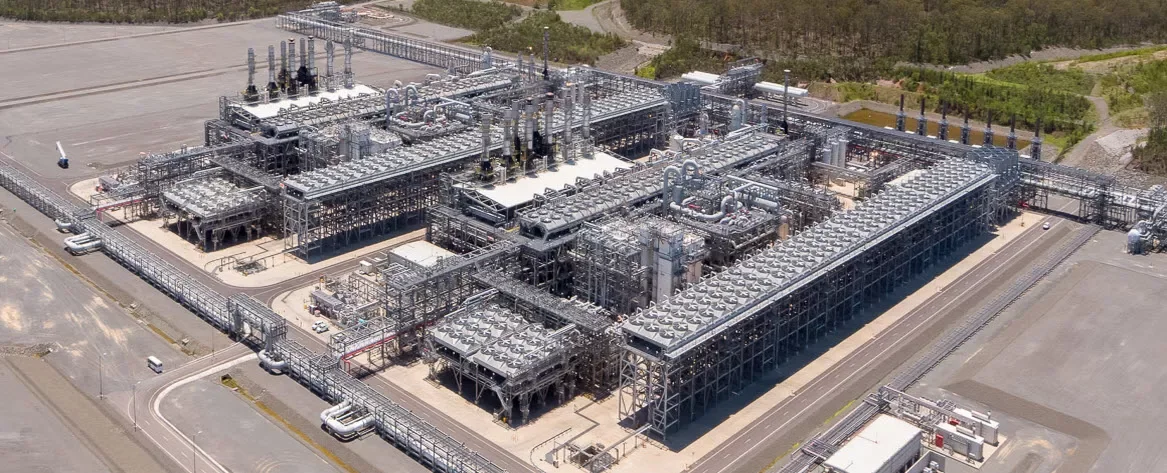
ROC Advice’s HAZID & Shutdown Planning — LNG Facility case study shows the value of doing this work early. Structured workshops covered isolations, confined spaces, SIMOPS, hot work and heavy lifts, identifying and assigning controls for more than 120 risk-ranked hazards before shutdown execution.
ROC Advice provides Embedded HSE support for high-risk campaigns. Explore the full case-study library for field-led delivery across complex energy work.